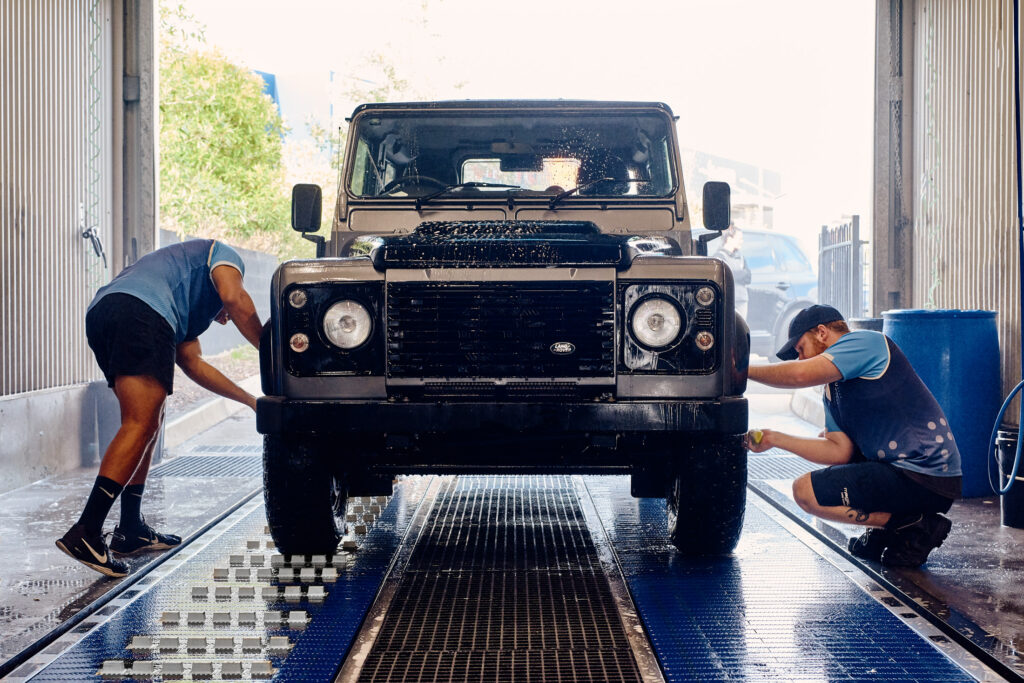
Skip one car wash and nothing happens. Skip them all winter and you could be looking at rust eating through your brake lines, salt corroding your paint down to bare metal, and a repair bill that dwarfs the cost of a year’s worth of washes. Australian winters are deceptively damaging — even without snow, the combination of coastal salt, heavy rainfall, and mud puts your car under constant attack from June through August. Here’s exactly what happens when you leave it unchecked.
Salt Corrosion Starts Faster Than You Think
If you live or drive within 16 kilometres of the Australian coast — that covers most of Perth, Melbourne’s bayside suburbs, Hobart, and Southport — your car is being hit by salt spray every single day. Salt is hygroscopic, meaning it actively draws moisture from the air and holds it against your metal surfaces around the clock.
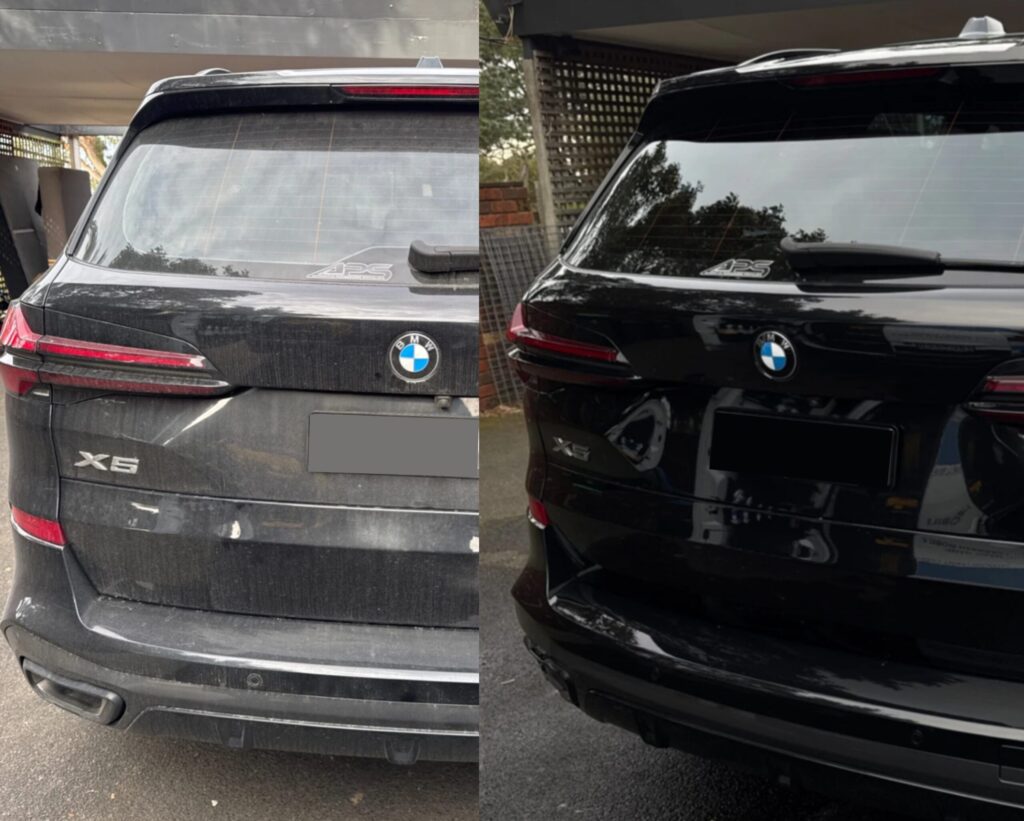
Left unwashed, salt begins breaking down your clear coat within weeks. Once the clear coat is compromised, it attacks the paint beneath it. After that, it reaches bare metal — and that’s when rust takes hold. Rust on body panels is expensive. Rust on your undercarriage, where it can reach brake lines, suspension components, and fuel lines, is dangerous.
This isn’t a slow process. In coastal conditions, visible surface rust can appear on unprotected metal within a single winter season.
Mud and Road Grime Trap Moisture Against Your Car
Inland drivers aren’t ofVisibility Drops — and That’s a Safety Issue
A dirty car isn’t just an aesthetic problem in winter. Road spray, mud, and condensation combine to coat your windscreen, rear window, and lights with a film that dramatically reduces visibility — particularly in low-angle winter sun and during rain at night.
Dirty headlights can reduce light output by up to 50 per cent. A grimy rear window makes reversing and lane changes genuinely hazardous. A contaminated windscreen creates glare from oncoming headlights that can temporarily blind you at the worst possible moment.
None of this is dramatic until it causes an incident. Keeping your glass and lights clean through winter is as much a safety measure as a maintenance one.
Rubber Seals and Trim Degrade Faster
Your door seals, window rubbers, and exterior trim are made from materials that need to stay clean and conditioned to remain flexible. Winter grime contains road chemicals, brake dust, and salt that dry out rubber over time, making it brittle and prone to cracking.
Cracked door seals let water into your cabin. Degraded window rubbers allow moisture to track into your door cavities where it sits against the internal metal structure. This is one of the most common sources of internal rust on older vehicles — and it starts from neglected rubber that could have been preserved with regular washing and conditioning.
Your Resale Value Takes a Hit
Buyers and dealers assess a vehicle’s paint and underbody condition closely. Surface rust, paint swirl marks, faded trim, and corroded wheel surfaces all signal a car that hasn’t been maintained — and they adjust their offer accordingly.
A car that’s been washed consistently through every winter will have significantly better paint condition, cleaner wheel surfaces, and a healthier undercarriage than one that hasn’t. The difference in resale value between a well-maintained exterior and a neglected one can easily run into the hundreds or thousands of dollars at trade-in.
Regular washing isn’t a luxury. It’s the cheapest form of vehicle asset protection available.f the hook. Australian winter rainfall turns roads into mud traps, and that mud doesn’t just sit on the surface — it packs into wheel arches, undercarriage cavities, and panel seams where it holds moisture against metal for days after the road has dried out.
The danger isn’t the mud itself. It’s the sustained contact between wet, mineral-rich soil and your car’s metal components. Every hour that mud sits packed against your undercarriage, it’s accelerating oxidation in areas you can’t see and won’t notice until the damage is already done.
Regular undercarriage washing breaks this cycle. Leaving it unwashed doesn’t just accumulate dirt — it creates ideal conditions for corrosion to develop unseen.
Your Paint Deteriorates and Becomes Harder to Restore
Winter grime isn’t just dirty — it’s abrasive. Fine particles of road grit, brake dust, and mineral deposits bond to your paint surface over time. Every time you drive through rain or condensation forms overnight, these particles shift slightly against your paint. Over a full winter without washing, this creates a network of fine scratches across your panels known as swirl marks.
Swirl marks are largely invisible until you see your car under direct sunlight — then they’re everywhere. Light surface scratches can often be corrected with a professional machine polish. Deep swirl marks that have penetrated the clear coat require significantly more work and cost.
Beyond scratches, bonded contamination like tar spots and iron deposits become progressively harder to remove the longer they’re left. What washes off easily in week one requires chemical decontamination treatment by week eight.
A paint protection treatment applied after a thorough wash creates a barrier that makes winter contamination far easier to remove before it bonds — but it can’t do its job if the underlying surface is already compromised.
Visibility Drops — and That’s a Safety Issue
A dirty car isn’t just an aesthetic problem in winter. Road spray, mud, and condensation combine to coat your windscreen, rear window, and lights with a film that dramatically reduces visibility — particularly in low-angle winter sun and during rain at night.
Dirty headlights can reduce light output by up to 50 per cent. A grimy rear window makes reversing and lane changes genuinely hazardous. A contaminated windscreen creates glare from oncoming headlights that can temporarily blind you at the worst possible moment.
None of this is dramatic until it causes an incident. Keeping your glass and lights clean through winter is as much a safety measure as a maintenance one.
Rubber Seals and Trim Degrade Faster
Your door seals, window rubbers, and exterior trim are made from materials that need to stay clean and conditioned to remain flexible. Winter grime contains road chemicals, brake dust, and salt that dry out rubber over time, making it brittle and prone to cracking.
Cracked door seals let water into your cabin. Degraded window rubbers allow moisture to track into your door cavities where it sits against the internal metal structure. This is one of the most common sources of internal rust on older vehicles — and it starts from neglected rubber that could have been preserved with regular washing and conditioning.
Your Resale Value Takes a Hit
Buyers and dealers assess a vehicle’s paint and underbody condition closely. Surface rust, paint swirl marks, faded trim, and corroded wheel surfaces all signal a car that hasn’t been maintained — and they adjust their offer accordingly.
A car that’s been washed consistently through every winter will have significantly better paint condition, cleaner wheel surfaces, and a healthier undercarriage than one that hasn’t. The difference in resale value between a well-maintained exterior and a neglected one can easily run into the hundreds or thousands of dollars at trade-in.
Regular washing isn’t a luxury. It’s the cheapest form of vehicle asset protection available.
How Often Should You Wash Your Car in Winter?
As a general rule, wash your car every one to two weeks during winter. If you’re in a coastal area — within 16 kilometres of the ocean — aim for weekly. If you regularly drive on unsealed roads or through heavy rainfall, wash your car within 48 hours of the drive.
The undercarriage needs attention too, not just the panels. A standard hose-down at home won’t reach the packed cavities where mud and salt accumulate. Professional car wash facilities have dedicated undercarriage cleaning equipment that gets into those areas properly.
For tips on how to wash your car properly through the colder months, read our full guide: 7 Essential DIY Car Wash Tips for Australian Winter.
When DIY Isn’t Enough
Home washing is better than nothing — but it has limits. A garden hose can’t generate the pressure needed to clear packed mud from undercarriage cavities. Home products can’t match the performance of commercial-grade degreasers and protective treatments. And in cold conditions, hand washing without a proper drying process leaves moisture sitting in door seals, panel gaps, and mirror housings overnight.
Professional hand car washes offer meaningfully better results in winter — not just cleaner panels, but proper undercarriage cleaning, protective coating applications, and thorough drying that prevents the moisture damage that home washing often leaves behind.
Magic Hand Carwash operates across 24 locations in Perth, Melbourne, Hobart, and Southport. Our Wash Club membership gives you unlimited access to automatic washes at six locations — Richmond VIC, Bentley WA, Balcatta WA, Booragoon WA, Kingsbury VIC, and Frankston VIC — so staying on top of winter washing doesn’t have to be a chore or a cost that adds up.
Find your nearest Magic Hand Carwash location and keep your car protected this winter.
Frequently Asked Questions
What happens if you never wash your car?
Over time, salt, mud, and road grime cause paint deterioration, surface rust, and eventually structural corrosion affecting safety-critical components like brake lines and suspension. Resale value drops significantly and repair costs increase with every season of neglect.
Is it OK to not wash your car in winter?
No. Winter is when your car faces the highest concentration of corrosive threats — salt spray, mud, road chemicals, and sustained moisture. Skipping washes in winter causes more damage than skipping them in any other season.
How long can you go without washing your car in winter?
No longer than two weeks in normal conditions. If you’ve driven through heavy rain, mud, or coastal conditions, wash within 48 hours. The longer contamination sits, the harder it bonds and the more damage it causes.
Does rain wash your car in winter?
No. Rain spreads contaminants rather than removing them. A car driven through rain is often dirtier after than before, with road spray and dissolved grime deposited across the paintwork. Always wash after heavy rain, not instead of it.
What is the most important part of the car to wash in winter?
The undercarriage. It’s the most exposed to salt, mud, and road spray, houses the most critical mechanical components, and is the most commonly neglected in a standard home wash.