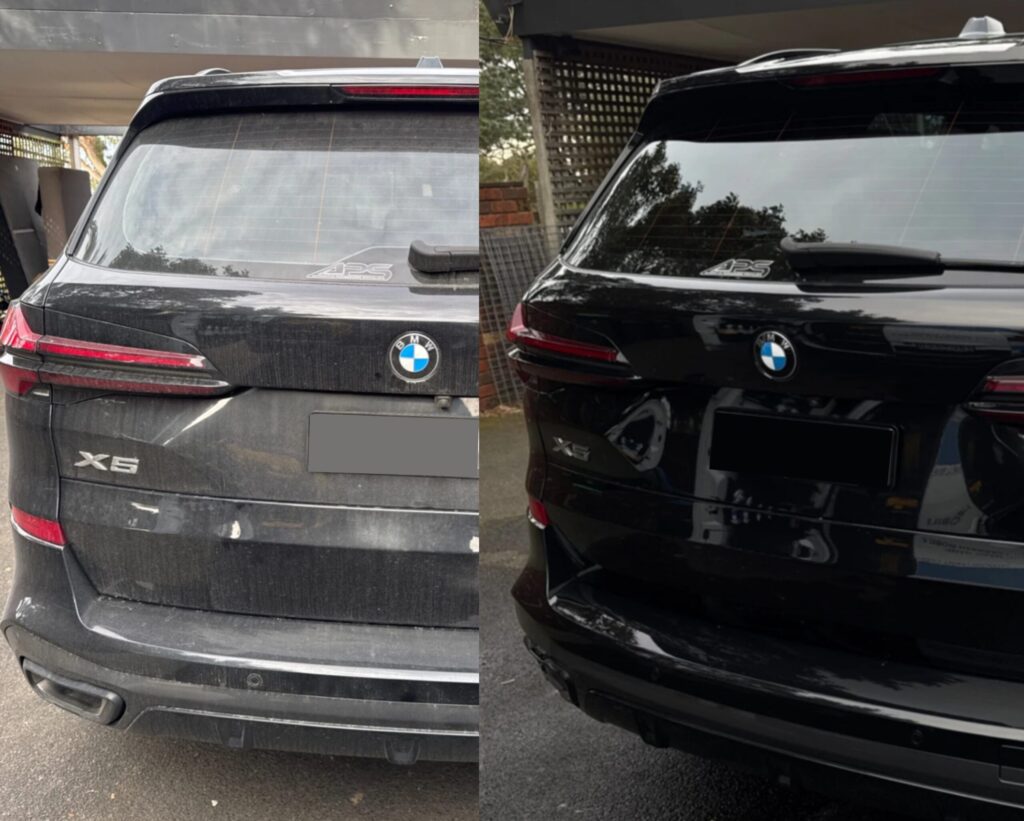
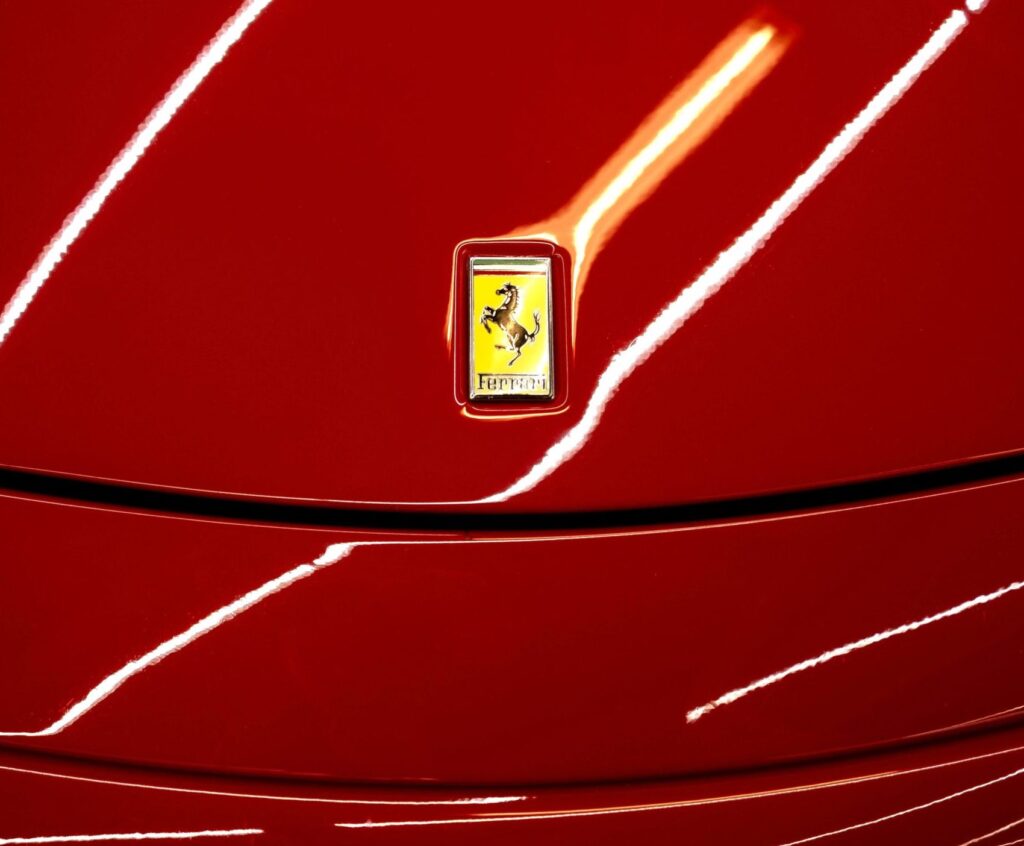
As Melbourne roads expose vehicles to stone chips, UV radiation, road grime, and daily wear, many car owners are now looking beyond regular washing and waxing for long-term paint protection. One solution growing rapidly in popularity is Paint Protection Film (PPF) — a transparent protective layer designed to preserve your car’s original paintwork.
This guide explains what PPF is, how it works, who it’s for, and when it makes sense, so you can decide whether it’s the right choice for your vehicle.
What Is Paint Protection Film (PPF)?
Paint Protection Film (PPF) is a clear, thermoplastic polyurethane film applied to a vehicle’s painted surfaces. It is engineered to act as a physical barrier between your car’s paint and external damage such as:
- Stone chips from highways
- Light scratches and swirl marks
- Bug splatter and bird droppings
- UV exposure and paint oxidation
Unlike traditional waxes or sealants, PPF is a thicker, impact-resistant layer that remains on the car for years rather than weeks or months.
How Does PPF Work?
PPF absorbs and disperses impact energy before it reaches your paint. Modern films also include self-healing technology, allowing minor scratches to disappear when exposed to heat (such as sunlight or warm water).
This makes PPF especially valuable for Melbourne drivers who frequently use freeways, park outdoors, or drive in high-traffic urban areas.