Claim your Overcast day offerClaim your Mostly Cloudy day offerClaim your Drizzly day offerClaim your Stormy day offerClaim your Rainy day offerClaim your Snow day offerClaim your Clear day offerClaim your Partly Cloudy day offer
-
Car Care

How Often Should You Wash Your Car in Australia?

The global advice says wash your car every two weeks. In Australia, that’s often not enough — and depending on where you live, it could be far too infrequent.

How often you should wash your car depends heavily on your environment, and Australia’s is genuinely unique. We have UV radiation intensity significantly higher than most of the world, coastal salt spray along thousands of kilometres of shoreline, fine red dust across inland and outback regions, and native wildlife — cockatoos, magpies, currawongs — whose acidic droppings are particularly damaging to automotive clear coat.

Generic global guides that tell you how often to wash your car simply don’t account for any of this. Here’s a realistic, Australia-specific answer — broken down by where you live and how you drive.

How Often Should You Wash Your Car? Quick Answer by Location

Coastal cities (Sydney, Gold Coast, Sunshine Coast, Perth beachside suburbs): Every 1–2 weeks. Salt air accelerates corrosion faster than almost any other environmental factor. Fine salt particles settle on your paint and undercarriage between washes and begin breaking down protective coatings. If you live within 5km of the coast, fortnightly is the minimum — weekly is better.

High-pollution urban areas (Melbourne CBD, Perth CBD, industrial suburbs): Every 2 weeks. City driving exposes your car to brake dust, exhaust particulates, and industrial pollutants that bond to paintwork. Melbourne in particular has significant pollution from traffic density and industrial activity in its western and northern suburbs.

Inland and outback regions (regional Queensland, outback NSW, NT, WA inland): Every 1–2 weeks, or after every significant dust event. Fine red dust is abrasive at a microscopic level — it causes micro-scratches in your clear coat when wiped off a dry surface. Never wipe red dust off dry. Always wash it off with water first.

Suburban drivers (Melbourne, Perth, Brisbane, Adelaide): Every 2–3 weeks. This is the realistic standard for most Australian car owners. Two weeks if you park under trees or outdoors; three weeks if garaged.

Garage-kept or rarely driven vehicles: Once a month is generally sufficient, but don’t skip it entirely — dust and moisture still accumulate even in garages, and sitting contaminants cause more damage over time than regular washing does.
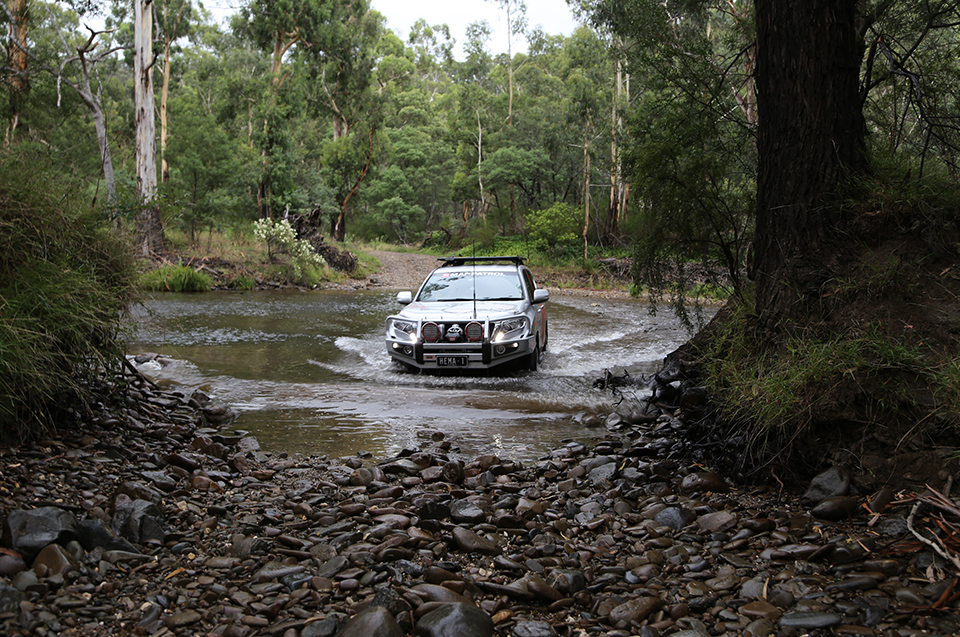
4WD navigating Victorian Alps Track, high country off-road adventure in Victoria

Why Australia’s Environment Is Harder on Car Paint Than Most Countries

UV radiation intensity. Australia has some of the highest UV index readings in the world, particularly across Queensland, the Northern Territory, and Western Australia. UV rays break down your car’s clear coat and cause paint oxidation significantly faster than in Europe or North America — which is where most ‘wash every two weeks’ advice originates. Regular washing removes UV-trapping contaminants, and regular waxing adds a UV-protective barrier.

Native bird droppings. Australian native birds — cockatoos, magpies, currawongs, wattlebirds — produce droppings with a higher uric acid concentration than common urban birds found overseas. That acidity can etch through clear coat and into base paint within 24 to 48 hours in direct Australian sun. Remove bird droppings as soon as possible — don’t wait for your next scheduled wash.

Coastal salt spray. Australia has over 25,000km of coastline and millions of car owners living within reach of salt air. Salt accelerates rust formation on exposed metal, degrades rubber seals, and strips protective wax coatings faster than any other environmental factor. Coastal car owners need to wash more frequently and pay particular attention to the undercarriage.

Red dust and fine particulates. Across inland Australia, fine mineral dust settles on vehicles and acts as a mild abrasive. The key danger is wiping it off dry — always rinse first with water to lift the particles before any cloth contact with the paint.

Gum trees and native sap. Parking under Australian native trees — eucalyptus, bottlebrush, grevilleas — means exposure to sap, pollen, and leaf tannins that stain and etch paint if left to bake in the sun. If you’re regularly parking under gum trees, add a week to your wash frequency.

How Your Driving Routine Affects Wash Frequency

Daily driver in the city: Every 2 weeks minimum. Brake dust, pollution, and stop-start traffic grime builds up quickly and bonds to paint in urban heat.

Highway and freeway driving: Every 2–3 weeks. Highways bring bug splatter — particularly in warmer months — which is acidic and damages paint if left on the front bumper and bonnet.

Off-road and 4WD: After every off-road trip, regardless of your regular wash schedule. Mud, creek crossings, and dirt tracks carry moisture into crevices that cause rust if left unwashed.

School run and family car: Every 2 weeks for the exterior. The interior may need attention more frequently — food, drink, sand, and pet hair accumulate faster in family vehicles.

Will Leaving Your Car Dirty Damage the Paint?

Yes — and in Australia’s climate, faster than you might expect.

Contaminants like bird droppings, tree sap, industrial fallout, and road salt don’t sit harmlessly on your paint. They react chemically with your clear coat, particularly when heated by the Australian sun. What starts as a surface stain can become permanent paint etching within days in direct sunlight.

The good news is that regular washing removes these contaminants before they cause lasting damage — and adding a wax every 2–3 months gives your paint a protective barrier that buys you extra time between washes.

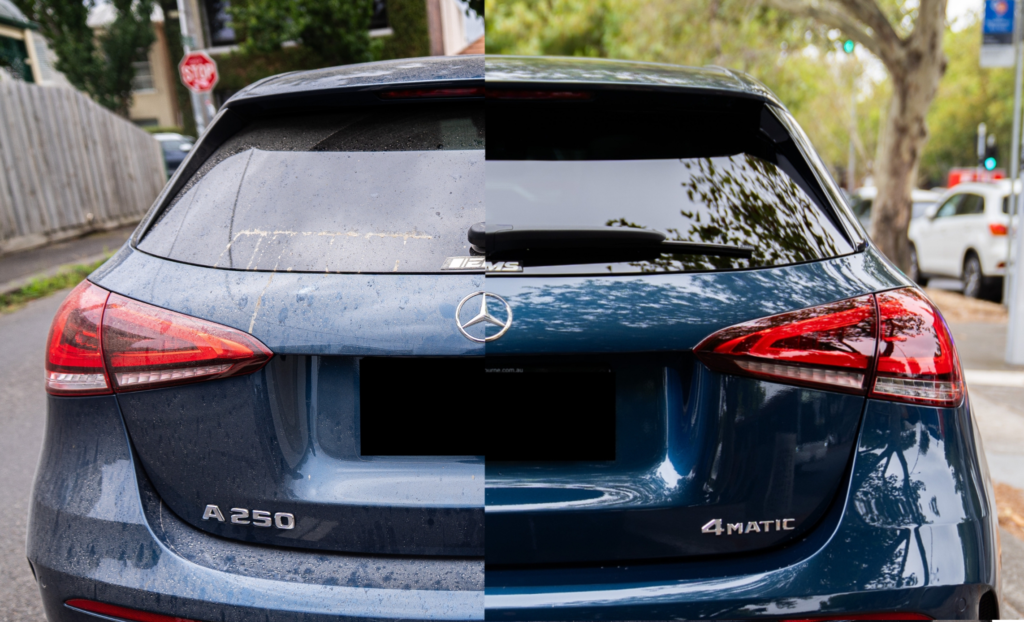
a Mercedes has got magic wash and look at the difference between before and after image

The Easiest Way to Stay on Top of Regular Washing

Knowing you should wash every two weeks and actually doing it are two different things. The easiest solution for regular Australian drivers is a monthly wash membership — so the habit is built in and the cost is fixed.

Magic Hand Carwash is the top-rated car wash in Australia, and for regular washes, our Magic Wash Club gives you unlimited washes for $40 per month across our locations in Melbourne and Perth — so you can wash as often as your environment demands without thinking about cost each time.

Join Wash Club For $40


Frequently Asked Questions

How often should you wash your car in Australia?

In Australia, most drivers should wash their car every 2 weeks to remove dust, road grime, bird droppings, and environmental contaminants that can damage paint over time. Coastal residents should wash every 1–2 weeks due to salt air exposure. Inland and outback drivers should wash after significant dust events, while garage-kept vehicles driven occasionally can go 3–4 weeks between washes.

How often should you wash your car if you live near the beach?

If you live near the beach, it’s best to wash your car every 1–2 weeks. Salt in the air can settle on your car’s paint and undercarriage between washes, which can accelerate corrosion over time. Weekly washing is recommended if you live within about 2–3 km of the coast.

How often do Australians wash their car?

Most Australians wash their car about once a month. However, car care experts generally recommend washing every 2–3 weeks to maintain paint protection and remove contaminants. Monthly washing is often not enough in coastal, urban, or high-UV environments common across Australia.

Can you wash your car too often?

No, you generally cannot wash your car too often if it is done correctly. Using pH-neutral car shampoos, soft washing tools, and proper techniques will not damage your paint. Problems usually occur from harsh chemicals, dirty sponges, or abrasive washing methods rather than frequent washing itself.

How often should you detail your car?

Most vehicles benefit from a professional car detail every 3–6 months. Regular detailing helps remove contaminants that normal washing cannot reach and restores protection to paint, interior surfaces, and trim. This is usually done alongside routine washing every couple of weeks.

Should you wash your car in direct sunlight?

It’s best to avoid washing your car in direct sunlight where possible. Strong sunlight can cause water and soap to dry quickly on the paint before you can rinse it off, leaving water spots or residue. Washing in shade or during cooler parts of the day, such as early morning or late afternoon, is recommended.

Related Services

View all washing services

Superior Wash

30 minutes

Learn more

Interior Detail

90 minutes

Learn more
View all washing services
© 2026 Magic Hand Carwash Site by SOD